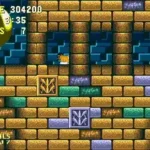
Play Sonic 1 Harder Version v0.6 (Hacking Contest 6 build) online! It is one of the top-rated SEGA Genesis games you can play for free. No download, emulator, or setup required—jump straight into the action directly in your browser and start playing this classic in seconds.
Gameplay Mechanics and Challenge Levels
The **Sonic 1** experience is redefined in its harder version, where beloved core gameplay is dialed up to a challenging degree. This fan-made iteration utilizes the original mechanics—speed, precision, and classic platforming—but adds layers of difficulty that test even the most seasoned players. The levels are designed to accelerate the pace and introduce fiendish enemy placements, unpredictable traps, and meticulously crafted level layouts. Each zone forces players to adapt their strategies, focusing on quick reflexes and acute navigation skills.
Many familiar elements remain, such as ring collection, speed boosts, and iconic loops, but with enemies that possess increased aggression and environmental obstacles that demand more strategic planning. The intricate design encourages speedrunning, letting players discover new tactics to conquer levels, making the experience both nostalgic and refreshingly new. Fans of the franchise often find themselves in heated discussions about their favorite elements, emphasizing how the remixed difficulty levels create a unique layer of excitement.
History and Influence in the Gaming Community
Originally released in 1991, the Sonic franchise quickly rose to prominence, propelling Sega into the spotlight amid fierce competition with Nintendo. The release of **Sonic 1** established the blue hedgehog as a cultural icon, known for his speed and attitude. The harder version, released as part of a hacking contest, showcases the enduring fascination with the game, illustrating the community’s dedication to continual innovation and nostalgic reverence.
This adaptation not only honors the original game’s legacy but also bridges generations of gamers. By reimagining the difficulties, it pays homage to the players who tackled the original level layouts, while enticing a new audience keen on challenges. This ongoing dialogue within the community has contributed significantly to the enduring popularity of Sonic, ensuring the franchise remains relevant through fan adaptations like this one.
Technical Innovations and Design Choices
The harder version leverages modern hacking tools to enhance gameplay, with pixel-perfect designs and efficient coding techniques that allow smoother gameplay. It incorporates features that make the most of the original engine while introducing additional layers of complexity, such as adjusted enemy AI and novel speed mechanics. Players experience environments that feel simultaneously familiar yet exhilaratingly new, demonstrating the robust and creative spirit of the gaming community.
Conclusion
The harder version of **Sonic 1** represents both a tribute to a timeless classic and an innovative leap, manifesting the enduring allure of retro gaming. It highlights not only the nostalgia for classic platformers but also the potential for gamers to reshape their experiences through creativity and collaboration. This iteration reminds us why the Sonic series remains an influential pillar in gaming history—it’s a testament to the joy of challenge and the passion of a dedicated fanbase.