Play Sonic 1 Smooth Edition online! It is one of the top-rated SEGA Genesis games you can play for free. No download, emulator, or setup required—jump straight into the action directly in your browser and start playing this classic in seconds.
Unpacking Core Gameplay Mechanics
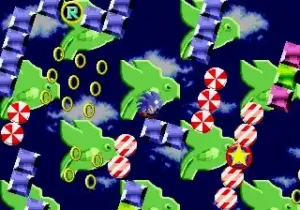
**Sonic 1** revolutionized platform gaming with its fast-paced mechanics and engaging level design. Players guide Sonic through vibrant landscapes, collecting rings and defeating foes at breakneck speed. The challenge lies not just in speed, but also in mastering the intricate layouts of each stage. Often, players faced difficult platforming sections that required precise timing and quick reflexes. Notably, the game introduced unique features like the spin dash, which helped players maintain momentum and navigate obstacles more adeptly, further enhancing the gaming experience.
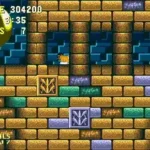
Each zone presents its own set of challenges, from the lush Green Hill Zone to the treacherous Labyrinth Zone. As players progress, they encounter a mix of speed-focused segments and puzzles that test their strategic thinking—elements that have contributed to its lasting appeal. The game’s balance of accessible gameplay for newcomers, paired with complexities for veterans, cements its reputation as a staple of retro gaming. This blend of challenge and enjoyment keeps the community engaged even decades after its initial release.
Historical Context and Technical Innovations
Launched in 1991 on the Sega Genesis, **Sonic 1** was pivotal in establishing Sega as a formidable competitor to Nintendo during the 16-bit era. Designed to showcase the Genesis’s advanced graphics capabilities, the game featured vibrant colors and smooth animations that captivated players. The blend of exciting gameplay and eye-catching visuals was groundbreaking for its time.
Moreover, the game broke new ground in character design. Sonic’s cool attitude and distinctive look contrasted sharply with Mario’s wholesome image, appealing to a different demographic. This strategic choice not only defined gaming culture in the early ’90s but also paved the way for numerous sequels and merchandise, further embedding Sonic into pop culture. The game’s ability to bridge technical advances with engaging storytelling remains a benchmark for game developers.
The Legacy of Sonic 1
Today, **Sonic 1** is often celebrated for its impact on the gaming landscape. It has inspired remakes, spin-offs, and a dedicated fanbase that cherishes its nostalgic value. The game is frequently included in “best of” lists, serving as a touchstone for retro gaming enthusiasts. Additionally, its music, composed by Masato Nakamura, has left an enduring imprint, with remixes and covers by fans continually emerging.
Conclusion
In summarizing the significance of **Sonic 1**, it’s clear that its blend of rapid gameplay, innovative design, and cultural impact solidifies its status in gaming history. Through its challenging levels and iconic characters, the game not only entertained a generation but also influenced countless titles that followed. Even today, the spirit of Sonic lives on, capturing the hearts of new and old fans alike, ensuring its legacy endures. Whether revisiting zones or discovering them for the first time, players continue to experience the magic that makes this game a timeless classic.