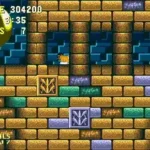
Play Sonic 1 – The Ring Ride 2 online! It is one of the top-rated SEGA Genesis games you can play for free. No download, emulator, or setup required—jump straight into the action directly in your browser and start playing this classic in seconds.
Core Gameplay Mechanics and Difficulty
At the heart of Sonic 1 lies its groundbreaking gameplay mechanics. Players navigate through vibrant, side-scrolling levels as they control Sonic, a blue hedgehog with the unique ability to run at supersonic speeds. This introduces a quick pace that was innovative for its time, forcing players to hone their reflexes while dodging obstacles and enemies. Collecting golden rings not only serves as a health system but also transitions into a rewarding challenge that enhances the gameplay experience.
The game features a blend of platforming and speed, with levels designed to encourage exploration and mastery. From the lush Green Hill Zone to the treacherous Labyrinth Zone, each environment carries distinct challenges. Many players still remember the heart-pounding tension of the final act, where speed meets precision—a balance that defines the game’s difficulty and allure.
Historical Context and Innovations
Released in 1991 for the Sega Genesis, Sonic 1 marked the franchise’s debut and positioned Sega as a serious contender in the gaming industry. This was a pivotal moment as Sonic debuted in an era dominated by Nintendo’s Mario franchise. Its release not only introduced players to Sonic’s world but also showcased the technical capabilities of the Sega Genesis, boasting impressive graphics and a memorable soundtrack composed by Masato Nakamura.
Furthermore, the game set new standards in character design and storytelling for platformers, weaving a narrative into gameplay mechanics. Innovations such as the Spin Dash, introduced in future titles, owe their roots to the foundations laid in this iconic release. It wasn’t just about defeating enemies; it was about experiencing speed and flow in an entirely new way, making it a landmark title in gaming history.
Cultural Impact and Legacy
The influence of Sonic 1 extends far beyond its initial release. It spawned a multimedia franchise, including animated series and comics, and its characters have become mainstays in popular culture. Over the decades, Sonic’s blue quills and red sneakers are instantly recognizable, symbolizing a spirit of speed and rebellion that resonated with a generation of gamers.
Today, the game is often celebrated for its nostalgia factor and remains a beloved classic. Enthusiasts continue to revisit it, fueling ongoing discussions regarding its design and place in gaming history, ensuring that its legacy will endure for years to come.
In conclusion, Sonic 1 is more than just a game; it represents a pivotal point in the evolution of platformers. With its unique blend of speed, vibrant visuals, and innovative gameplay, it not only carved a niche in gaming history but also paved the way for future titles to build upon. As generations of gamers discover or rediscover this timeless classic, its impact on both gaming culture and the industry remains indelible.