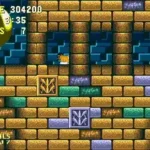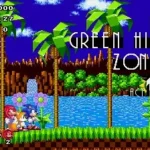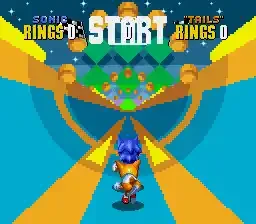
Play Sonic 2 Advanced Edit Release 3 beta online! It is one of the top-rated SEGA Genesis games you can play for free. No download, emulator, or setup required—jump straight into the action directly in your browser and start playing this classic in seconds.
Introduction to Sonic 2
The legacy of Sonic 2 is a testament to the creativity and innovation of the early 90s gaming landscape. Introduced in 1992, this title not only solidified Sonic the Hedgehog’s status as Sega’s flagship character but also defined platforming gameplay for generations to come. The blend of speed, intricate level designs, and engaging co-op mechanics offered players a fresh and exhilarating experience. As we explore the intricacies and improvements seen in its latest beta release, the impact of this beloved classic remains undeniable.
Core Gameplay Mechanics and Innovations
At its core, Sonic 2 builds on the foundations set by the original game, enhancing the speed-based gameplay with new mechanics. The introduction of Tails, Sonic’s loyal sidekick, provided a unique two-player experience that allowed for cooperative play. This mechanic not only doubled the fun but also added layers of strategy, as players could assist each other through levels designed with both characters in mind. Furthermore, the level design incorporated loops and ramps that propelled Sonic’s trademark speed, increasing the sense of exhilaration that players craved.
- Diverse environments, from chemical plants to mystical zones
- Multiple paths encouraging exploration and replayability
- Engaging boss battles that tested player skills
Historical Context and Cultural Impact
The journey of Sonic 2 began during a transformative period in gaming. Released only a year after its predecessor, it quickly became one of the best-selling video games of all time, further elevating the Sega Genesis. Its cultural relevance is marked by numerous accolades, including awards for Best Game and Best Platformer of its time. The game not only introduced iconic characters but also established a rich lore that fans have cherished for decades. Sonic’s fast-paced adventures resonated with a youthful audience, creating a pop culture phenomenon that persists through animated series and merchandise.
Long-term Legacy and Continued Relevance
Decades later, Sonic 2 remains an influential title in platform gaming. The nostalgia it evokes for players who grew up in the 90s keeps it alive in various forms, including remakes and ports on modern consoles. Its design choices have influenced countless games, carving a niche for fast-paced platformers that emphasize speed and agility.
Conclusion
The enduring appeal of Sonic 2 reinforces its status as a classic in video game history. As new gamers discover its exhilarating gameplay and seasoned players reminisce, this iconic title continues to remind us of the joy and innovation that defined an era. With each new release and adaptation, Sonic 2 remains a testament to the power of effective design and beloved characters in enriching our gaming experiences.