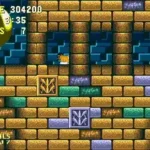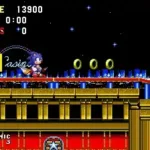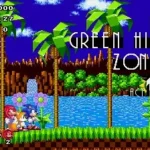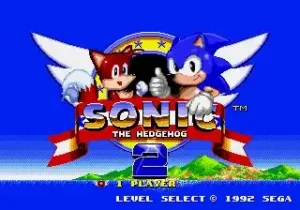
Play Sonic 2 – Archives (SHC2023) online! It is one of the top-rated SEGA Genesis games you can play for free. No download, emulator, or setup required—jump straight into the action directly in your browser and start playing this classic in seconds.
Revving Up Nostalgia: The Legacy of Sonic 2
The iconic Sonic 2 holds a special place in the annals of video game history, not just for its gameplay but for its instrumental role in establishing Sonic as a gaming icon in the 1990s. Released in November 1992 for the Sega Genesis, this highly anticipated sequel introduced gamers to new levels, characters, and game mechanics that set the standard for platforming titles. With its vibrant graphics, catchy music, and fast-paced action, Sonic 2 remains a beloved classic in the retro gaming community.
Gameplay Mechanics and Innovations
Sonic 2 expanded upon the foundation laid by its predecessor, introducing a co-op or competitive multiplayer mode that allowed players to team up as Sonic and Tails. The game featured a diverse array of zones, each filled with unique enemies and challenges. Players could race through the lush landscapes of Emerald Hill or navigate the industrial hazards of Chemical Plant Zone. The special stages, accessible by collecting Chaos Emeralds, added a layer of complexity, where players would spin through 3D mazes to unlock Super Sonic. This blend of difficulty and innovation not only defined the gameplay but created a thrilling experience that was universally praised.
Technical Achievements
From a technical standpoint, Sonic 2 was groundbreaking for its time. The game utilized a faster processor than its predecessor, enhancing the fluidity of animations and allowing for more vibrant colors. The introduction of the “Spin Dash” mechanic was a game-changer, enabling Sonic to maintain momentum while being stationary—an essential tactic for navigating obstacles with grace. These technical innovations helped set Sonic 2 apart from other platformers, contributing to its lasting appeal.
Cultural Impact and Lasting Legacy
The cultural significance of Sonic 2 is undeniable. It not only solidified Sonic the Hedgehog’s status as Sega’s mascot but also played a pivotal role in the console wars of the 1990s. Its music, composed by Masato Nakamura, remains unforgettable, featuring tracks that have been remixed and celebrated in various media forms. The game’s influence is visible in many contemporary titles, signaling its continued relevance in gaming discussions. Today, dedicated fans engage in speedrunning and hold various competitions, ensuring that Sonic 2 remains a key player in the gaming landscape.
In conclusion, the enduring legacy of Sonic 2 stems from its innovative gameplay and cultural resonance. As players continue to revisit this classic, its significance in shaping the future of platformers remains evident. Whether it’s the thrill of racing through a loop-de-loop or reliving that nostalgic soundtrack, Sonic 2 is more than just a game; it’s a piece of gaming history that resonates with generations of players.