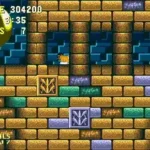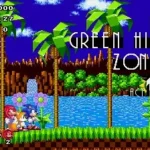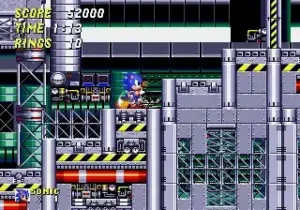
Play Sonic 2 Extended online! It is one of the top-rated SEGA Genesis games you can play for free. No download, emulator, or setup required—jump straight into the action directly in your browser and start playing this classic in seconds.
Introducing Sonic 2
The world of retro gaming is rich with iconic characters and unforgettable adventures, and few titles stand as prominently as Sonic 2. Released in 1992 for the Sega Genesis, this sequel not only refined the gameplay established in its predecessor but also solidified Sonic the Hedgehog’s place in the video game pantheon. With improved graphics, innovative level design, and compelling two-player modes, it became a definitive experience for gamers of that era and continues to captivate audiences today.
Gameplay Mechanics and Difficulty
Sonic 2 incorporated several gameplay mechanics that enhanced the player experience. The introduction of Tails as a sidekick allowed for cooperative play, a first for the franchise, fostering a sense of camaraderie among players. The game’s speed and fluidity, supported by vibrant zones like Chemical Plant and Green Hill, emphasized Sonic’s unique ability to sprint through levels while dodging obstacles and collecting rings. The challenge levels, designed with a variety of enemies and traps, required players to master precise controls and timing, contributing to its reputation for being a thrilling yet demanding platformer.
Historical Context and Cultural Impact
Upon its release, Sonic 2 was a commercial smash hit, selling over six million copies, and quickly became a symbol of Sega’s rivalry with Nintendo. The game’s success can be attributed not only to its innovative gameplay but also to its clever marketing campaigns and the burgeoning popularity of mascot-driven games during the early ’90s. Beyond its commercial achievements, Sonic 2 has had a lasting cultural impact, inspiring numerous sequels, spin-offs, and adaptations in various media formats. This legacy is evident in recent remakes and re-releases that allow new generations to experience the magic of Sonic’s fast-paced adventures.
Why Sonic 2 Still Resonates Today
The timeless appeal of Sonic 2 lies in its exhilarating gameplay and nostalgic value. Players often reminisce about their childhood experiences, overcoming challenges and racing through colorful landscapes. The game has not only defined a genre but has also fostered a vibrant community of fans dedicated to preserving its legacy. Whether through fan art, speedrunning, or nostalgic game nights, Sonic’s legacy endures, making it a staple in the world of retro gaming.
In conclusion, the lasting legacy of Sonic 2 is rooted in its groundbreaking gameplay, innovative design, and cultural relevance. As a pivotal title in the Genesis library, it continues to inspire both players and creators alike, reminding us why certain games achieve legendary status. For those who seek to understand the foundations of modern gaming, revisiting Sonic’s second adventure is essential.