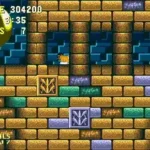
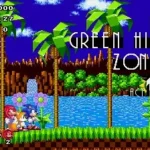
Play Sonic 2 Mania Run Sprite online! It is one of the top-rated SEGA Genesis games you can play for free. No download, emulator, or setup required—jump straight into the action directly in your browser and start playing this classic in seconds.
Core Gameplay Mechanics and Difficulty
The gameplay of Sonic 2 is a masterclass in speed and precision platforming. Players control Sonic, a blue hedgehog with an insatiable thirst for speed, racing through vibrant levels filled with challenging enemies and intricate loops. The introduction of Tails, Sonic’s sidekick, not only enhances the gameplay dynamics but also opens avenues for cooperative play, allowing players to strategize to overcome obstacles more effectively.
Each zone offers distinct challenges, from the chaotic oil spills of Chemical Plant Zone to the challenging labyrinth of Aquatic Ruin. The game introduces power-ups, such as rings and invincibility, which add layers of strategy, allowing players to mitigate damage and explore hidden paths. The difficulty ramps up significantly in later levels, requiring players to master timing and reflexes, yet the satisfaction of achieving near-flawless runs keeps players coming back for more.
Historical Release Background
Released in 1992 for the Sega Genesis as a sequel to the groundbreaking original, Sonic 2 quickly became a cornerstone of gaming history. The game was not only a commercial success, selling over six million copies, but it also solidified Sonic’s status as Sega’s iconic mascot. With its vibrant graphics crafted by an innovative team, it showcased what 16-bit gaming could achieve, marking a significant leap from its predecessor.
The acclaimed soundtrack by Masato Nakamura brought a distinct charm and energy, further enhancing the gameplay experience. Sonic 2 was among the first titles to utilize the Sega Mega Drive’s capabilities fully, leading to increased interest in the console and its library. This game set the stage for future Sonic titles and established benchmarks in speed-based platformers, influencing game design philosophies for years to come.
Cultural Impact and Long-Term Legacy
The cultural impact of Sonic 2 is unmistakable. It not only shaped the 1990s gaming landscape but also inspired animated series and comic books. The game’s themes of friendship, heroism, and the fight against evil resonate with audiences, making it a timeless classic. Gamers fondly remember late-night sessions spent navigating through levels and the adrenaline rush associated with high-speed runs.
As platforms evolve, the nostalgic charm of Sonic 2 remains alive through remakes, collections, and fan communities. Its legacy continues to influence new generations, ensuring Sonic’s place in video game history as a beloved character and a symbol of innovation in gaming.
In conclusion, the lasting appeal of Sonic 2 lies in its perfect blend of engaging gameplay, rich history, and cultural significance. Whether revisiting the game through collections or experiencing it for the first time, players find themselves drawn to its exhilarating speed and imaginative level design—a true testament to its era-defining brilliance.