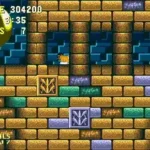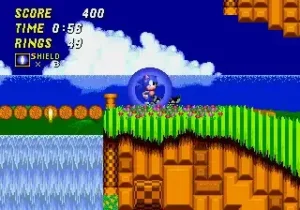
Play Sonic 2 Tailsplosion online! It is one of the top-rated SEGA Genesis games you can play for free. No download, emulator, or setup required—jump straight into the action directly in your browser and start playing this classic in seconds.
Introduction
The release of Sonic 2 marked a significant milestone in the realm of retro gaming, introducing innovative gameplay mechanics that left a lasting impression on fans and developers alike. In this fast-paced adventure, players navigate colorful levels filled with loops, springs, and obstacles, all while controlling Sonic and his trusty sidekick, Tails. The introduction of Tails not only provided players with a companion but also opened doors to cooperative gameplay, making Sonic 2 a pioneering title that reshaped the gaming landscape.
Core Gameplay Mechanics and Innovations
A hallmark of Sonic 2 is its seamless integration of speed and platforming. Players are thrust into vibrant zones, each with unique themes and challenges, from the bustling Chemical Plant Zone to the serene Emerald Hill Zone. The game’s mechanics allow for exhilarating speeds and fluid character controls, which were enhanced by Tails’ ability to fly, adding a layer of strategy when traversing the environment. The difficulty curve is expertly crafted, inviting both seasoned gamers and newcomers to enjoy. The introduction of the Spin Dash ability allowed players to maintain momentum, marking a significant evolution from its predecessor.
Historical Release Background
Launched in November 1992, Sonic 2 quickly became a bestseller for the Sega Genesis. Developed by a talented team led by Yuji Naka, the game was hailed for its graphics and sound, setting a new standard in the industry. Sonic 2 was one of the first titles to capitalize on marketing strategies involving a strong narrative and character focus, appealing to a wide audience. Its release not only solidified Sonic as Sega’s mascot but also helped define the company’s identity during a fierce console war with Nintendo.
Cultural Impact and Legacy
The cultural relevance of Sonic 2 extends beyond its gameplay. It played a significant role in establishing the 16-bit era of gaming, influencing countless titles that followed. The introduction of Tails as a playable character resonated with fans, blossoming into a beloved partnership that persists in Sonic’s franchise today. The game’s vibrant colors, unforgettable soundtracks, and innovative design elements have made it a cherished classic, prompting remakes and ports across various platforms and ensuring it remains accessible for new generations of players.
Conclusion
In summary, Sonic 2 remains an iconic gem in the history of video games, celebrated for its innovative mechanics and cultural significance. The ability to team up with Tails in high-speed adventures created an unforgettable experience that still resonates today. As gaming technology evolves, the nostalgia and love for Sonic 2 endure, reminding us of a time when platforming adventures defined our childhoods. Its legacy not only solidified Sonic as a cultural icon but also set a benchmark for future generations, making it an indispensable part of gaming history.