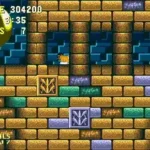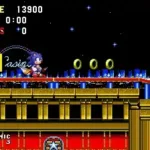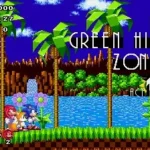
Play Sonic 2 Time Adventure online! It is one of the top-rated SEGA Genesis games you can play for free. No download, emulator, or setup required—jump straight into the action directly in your browser and start playing this classic in seconds.
Gameplay Mechanics and Challenge
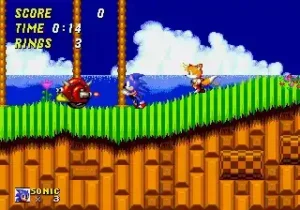
Sonic 2 raised the bar for platforming experiences in the early ’90s, introducing players to an electrifying fast-paced adventure that demanded skill and precision. As Sonic dashed through vibrant landscapes, players encountered a range of obstacles and enemies that tested their reflexes and strategic thinking. The introduction of Tails, Sonic’s sidekick, added a new layer of gameplay—players could opt for cooperative play or enjoy an AI-assisted experience. Each level featured unique design elements, such as loop-de-loops and ramped slopes, enhancing the thrill of speed while challenging gamers to adapt their playstyle.
The difficulty curve in Sonic 2 was particularly well-balanced. Early levels served as training grounds, allowing newcomers to familiarize themselves with Sonic’s mechanics. As players progressed, they faced increasingly complex levels that necessitated quick decision-making and mastery of the controls. This combination of speed and challenge ensured that both casual players and hardcore fans remained engaged, creating a lasting impact on the genre.
The Legacy and Cultural Impact
Upon its release in 1992, Sonic 2 quickly established itself as a benchmark for video gaming. It was not just a sequel; it was a cultural phenomenon that solidified Sonic as Sega’s mascot and a beloved character among fans. The game was a commercial success, selling millions of copies and receiving critical acclaim for its exhilarating gameplay and graphics that pushed the limits of the Sega Genesis.
Years later, Sonic 2 remains a touchstone in gaming history for several reasons:
- Innovative multiplayer experience with Tails
- Dynamic level design that influenced future platformers
- Iconic music score that has become synonymous with the franchise
Nostalgia and Modern Revival
The nostalgia surrounding Sonic 2 has led to numerous remakes and ports, keeping the game fresh in the minds of both new players and veterans. These modern adaptations introduce new generations to the charm and excitement that characterized the original. The game’s continued presence in pop culture—from references in other media to fan-made tributes—underscores its importance and the lasting joy it provides.
Conclusion
In sum, Sonic 2 is not just a beloved classic; it’s a trailblazer that defined a generation of gaming. Its combination of fast-paced action, charming characters, and innovative design has left an indelible mark on the gaming landscape. As new technologies continue to evolve, the essence of this iconic title remains timeless, appealing to audiences young and old. Whether you’re reliving the experience or discovering it for the first time, Sonic’s adventures are sure to deliver a rush of adrenaline and joy.