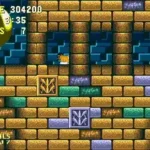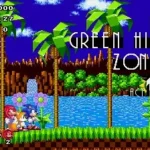
Play Sonic 3 Complete Sonic 2 Sprites online! It is one of the top-rated SEGA Genesis games you can play for free. No download, emulator, or setup required—jump straight into the action directly in your browser and start playing this classic in seconds.
Revolutionizing Platform Gaming
In the realm of classic video games, few titles have left an indelible mark quite like Sonic 3. Released in 1994, this game not only expanded on its predecessors but also brought innovative gameplay mechanics that kept players engaged. Featuring high-speed action, intricate level designs, and memorable music, it built upon the success of earlier Sonic titles. Players revelled in the vibrant graphics, which utilized a rich 16-bit palette, setting a standard for graphic fidelity in platformers that followed.
Technical Innovations and Design Elements
Sonic 3 was notable not just for its engaging gameplay but also for its technical advancements. The game introduced a seamless level transition system, allowing players to glide effortlessly between stages, enhancing the overall experience. Additionally, its cooperative mode enabled two players to team up, providing a social component that differentiated it from many other platformers of its time. The game’s sprite design was particularly impressive, with characters and environments meticulously crafted, showcasing the artistry of Sega’s developers.
Legacy and Cultural Impact
Beyond gameplay and technical achievements, Sonic 3 left a lasting cultural imprint. It became a staple of the 1990s gaming culture, inspiring merchandise, animated series, and fan gatherings. The music composed by Michael Jackson and his team also garnered attention, elevating the audio experience and making the soundtrack iconic. Today, fans still celebrate Sonic 3 through remakes, fan art, and nostalgic retrospectives.
Conclusion
Though released nearly three decades ago, Sonic 3 remains a beloved classic, remembered for its innovative approach to platform gaming. Its combination of speed, design, and cooperative play carved its niche in gaming history, influencing future titles and genres. As gamers continue to revisit this masterpiece, its impact endures, proving that some games are truly timeless and deserving of their celebrated status.