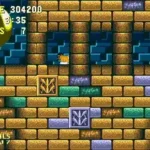
Play Sonic 3 JumpDash Edition online! It is one of the top-rated SEGA Genesis games you can play for free. No download, emulator, or setup required—jump straight into the action directly in your browser and start playing this classic in seconds.
Understanding The Gameplay Mechanics
The core gameplay of Sonic 3 introduces players to a high-speed platforming experience that defines the franchise. Players navigate through colorful worlds filled with loops, obstacles, and rings to collect. The introduction of the elemental shields—fire, water, and electric—added a layer of strategy, enabling Sonic to interact uniquely with various environments. The game also brought forth the iconic ability to “Super Sonic,” which transformed Sonic into a nearly invincible form once enough Chaos Emeralds were collected. This mechanic not only enhanced replay value but also challenged players to explore levels thoroughly.
Another standout feature was the improved level design compared to the previous entries. Each act offered distinct paths and hidden areas, encouraging exploration and replayability. The meticulous attention to detail created an engaging experience that propelled players forward while maintaining a flow that felt both natural and exhilarating.
Historical Context and Innovations
Initially released in 1994 for the Sega Genesis, Sonic 3 split the gaming community with its innovative blend of speed and graphics. This installment was notable for its collaboration between Sega and the famed musician Michael Jackson, whose contributions to the soundtrack created a memorable auditory experience. The combination of catchy tunes and vibrant graphics cultivated an impressive atmosphere, drawing players deeper into the game.
One of the game’s significant innovations was the transition to a save feature, allowing players to pick up right where they left off. This was a considerable advancement over its predecessors, where players faced the frustration of restarting upon losing lives. Furthermore, the game’s character customization options, like the addition of Tails and Knuckles as playable characters, diversified gameplay styles, appealing to a broader audience. These elements solidified Sonic 3 as a classic while laying the foundation for future Sonic titles.
Cultural Impact and Legacy
The cultural impact of Sonic 3 resonates even today, influencing countless platformers and contributing to the legacy of Sonic as a mascot for Sega. Its memorable characters and impressive level design have been celebrated and referenced in various media, from cartoons to merchandise. The game’s nostalgic value remains strong among fans, ensuring its place in the hearts of gamers around the world.
Conclusion
In summary, Sonic 3 stands out not just for its engaging gameplay and innovative design but also for its enduring legacy in the gaming industry. The blend of speed and strategy created an unforgettable platforming experience, while the collaboration with Michael Jackson enriched its cultural significance. As we look back, it’s clear that Sonic 3 continues to inspire both players and developers alike, cementing its status as a timeless classic.