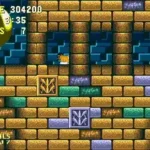
Play Sonic 3 & Knuckles: Master Edition online! It is one of the top-rated SEGA Genesis games you can play for free. No download, emulator, or setup required—jump straight into the action directly in your browser and start playing this classic in seconds.
Core Gameplay Mechanics and Difficulty
The vibrant world of Sonic 3 and Knuckles offers fast-paced platforming that has captivated gamers since its release. The game’s design shines in its ability to balance speed, exploration, and combat, making it both accessible to newcomers and challenging for seasoned players.
Players navigate through beautifully crafted levels, employing Sonic’s speed and unique abilities, while Knuckles introduces new gameplay mechanics such as gliding and climbing. This combination not only enhances gameplay variety but also encourages players to explore every corner of the expansive environments. The levels are designed with hidden paths and collectibles, further inviting players to replay stages in search of secrets and power-ups.
Despite its accessible mechanics, the game ramps up in difficulty, particularly in later zones. Players face an array of enemies and challenging bosses, adding an exhilarating layer of intensity that demands quick reflexes and strategic planning. Many fans fondly remember this balance of challenge and fun as one of the reasons the game remains a timeless classic.
Historical Background and Innovations
Released in 1994, the development of Sonic 3 marked a significant moment in video game history, as it was a collaboration between Sega’s creative talents, including the legendary Naoto Ohshima. The game was not just a sequel but a technological leap forward, showcasing advancements in graphics and sound that helped define the 16-bit era.
One notable innovation was the concept of combining two separate cartridges—Sonic 3 and Knuckles—allowing players to experience a seamless adventure when played together. This groundbreaking idea not only extended gameplay but also made the Sonic franchise even more compelling. Additionally, the introduction of elementally-themed levels and the iconic Super Sonic transformation added layers of depth and intrigue to the Sonic narrative and gameplay.
The release strategy further helped the game gain a dedicated fanbase, as Sonic’s popularity soared alongside Sega’s marketing efforts, fostering a cultural phenomenon around the character and his adventures. This unique blend of innovation, creativity, and marketing helped establish the franchise’s lasting impact on gaming culture.
Cultural Impact and Legacy
The cultural significance of Sonic 3 and Knuckles transcends its original launch, as its influence is felt in both game design and media. Today, Sonic remains a beloved icon, frequently appearing in merchandise, animated series, and even feature films. The game created a rich universe filled with memorable characters that have become staples in gaming lore.
Furthermore, the nostalgic affection for the title continues to spark renewed interest among retro gamers and new players alike, fostering a vibrant community that celebrates its achievements and innovations.
In conclusion, Sonic 3 and Knuckles stands as a cornerstone of retro gaming. With its innovative mechanics, engaging gameplay, and enduring cultural impact, it not only defined an era of platformers but continues to resonate with players decades later, ensuring its place in gaming history. The memories, challenges, and fun encapsulated in this classic title are a testament to Sega’s enduring legacy in the world of video games.