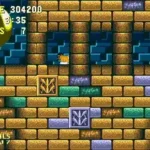
Play Sonic 3 & Knuckles Rerouted (v2) online! It is one of the top-rated SEGA Genesis games you can play for free. No download, emulator, or setup required—jump straight into the action directly in your browser and start playing this classic in seconds.
Revitalizing the Sonic Experience
The landscape of platform gaming was forever altered when Sonic 3 hit the shelves, followed by its revolutionary expansion known as Knuckles. Originally released in 1994, these titles integrated cutting-edge graphics with dynamic gameplay mechanics, setting the stage for an exhilarating adventure. Gamers were introduced to new features, including playable character variants and enhanced environments, showcasing the evolution in design philosophy at Sega. The marriage of speed and precision became a hallmark of the franchise, captivating audiences with its bright visuals and intricate level designs.
Gameplay Mechanics and Innovations
Central to Sonic 3 and its expansion was the innovative character-switching mechanic. Players could control Sonic or Knuckles, each offering distinct abilities that transformed gameplay strategies. This duality not only expanded the replayability factor but also enriched the level designs. From Knuckles’ climbing prowess to Sonic’s speed, each character’s unique skills added layers of complexity and enjoyment. The introduction of save features allowed players to revisit their adventures, a revolutionary idea at the time that paved the way for future games. This breakthrough in technology granted players the freedom to enjoy the levels without the fear of starting from scratch after a gaming session.
The Cultural Impact
Both titles left an indelible mark on gaming culture. Fans remember the iconic music scores and memorable level themes, with tracks still celebrated in retro gaming playlists today. The endearing rivalry between Sonic and his nemesis, Dr. Robotnik, became a defining story arc that attracted not only avid gamers but also mainstream attention. With merchandise and anime adaptations, the franchise solidified its place in pop culture, paving the way for future sequels and spin-offs.
Legacy and Enduring Popularity
Today, Sonic 3 and its companion piece are regarded as classics, frequently cited in discussions of the best video games of their era. Their influence is evident in modern platformers, which continue to draw inspiration from the innovative mechanics and vibrant aesthetics of the original games. Additionally, fan communities actively preserve and celebrate this legacy through speedrunning, art, and fan-based events. The nostalgia surrounding Sonic remains a powerful force, proving that these timeless titles have not only shaped a generation of gamers but also continue to resonate with new ones.
When reflecting on the impact of Sonic 3, it’s clear that its contribution to the gaming ecosystem goes far beyond mere entertainment. Its thrills continue to remind us of the joy of gaming, highlighting why titles like these remain etched in the annals of history.