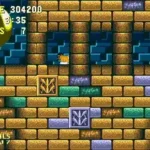
Play Sonic 3 Modgen Edition online! It is one of the top-rated SEGA Genesis games you can play for free. No download, emulator, or setup required—jump straight into the action directly in your browser and start playing this classic in seconds.
Sonic 3: A Historical Perspective
The release of Sonic 3 in 1994 marked a pivotal moment in the evolution of platform gaming. This entry distinguished itself not just as a sequel but as a testament to the creative heights achievable in game design. Developed by SEGA and blending stunning visuals with engaging gameplay mechanics, Sonic 3 expanded the blue hedgehog’s world while refining what players had come to love about earlier titles. Innovations in level design, introduced by combining features from its predecessors, crafted a seamless experience that felt both familiar and fresh.
Core Gameplay Mechanics
Sonic 3 refined core gameplay mechanics that would become fundamental to the franchise. The game introduced a variety of elemental shields, each granting unique abilities, such as the fire shield’s protective atmosphere or the water shield’s buoyancy, which added layers of strategy to navigating levels. The mechanics encouraged exploration, rewarding players for experimenting with different routes. Additionally, the introduction of *Sonic’s partner, Tails*, allowed for cooperative play that enhanced the experience. The difficulty curve was meticulously crafted; each zone challenged players while consistently engaging them with a mix of speed, timing, and puzzle-solving elements.
Innovations in Design
- Varied elemental shields offering unique abilities
- Enhanced graphics powered by improved hardware
- Multiplayer options with Tails as a sidekick
Cultural Impact and Legacy
Since its release, Sonic 3 has left an indelible mark on gaming culture. With a compelling soundtrack and memorable character designs, it has become a nostalgic symbol for many who grew up in the 90s. The game’s expansive design paved the way for future platformers, influencing gameplay mechanics across genres. Even today, it remains a beloved title, celebrated in retrospectives and emulated in indie games, reflecting its ongoing relevance in the gaming landscape. Its legacy endures through sequels and spin-offs, reminding us why Sonic continues to be a cherished icon.
Ultimately, Sonic 3 stands as a landmark in video game history. Its innovative gameplay, rich design elements, and lasting cultural impact have cemented its reputation as a classic. As new generations discover Sonic’s adventures, the game remains a shining example of the creativity that defined an era in gaming.