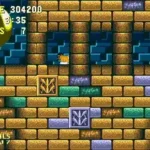
Play Sonic 3 S2 Edition online! It is one of the top-rated SEGA Genesis games you can play for free. No download, emulator, or setup required—jump straight into the action directly in your browser and start playing this classic in seconds.
Core Gameplay Mechanics and Innovations
The *Sonic 3* experience introduced groundbreaking gameplay mechanics that set it apart from its predecessors. Players navigate through vibrant, lush environments, utilizing Sonic’s signature speed and acrobatics. The game introduced the ability to save progress, which was a significant innovation at the time. This allowed players to enjoy the expansive levels without the frustration of repeat playthroughs. The incorporation of new power-ups, such as the elemental shields, enhanced the gameplay dynamic, giving players different strategic options for overcoming obstacles and foes. Additionally, the two-player cooperative mode allowed friends to join in the action, further enriching the gaming experience.
Historical Release and Cultural Impact
Released in 1994, *Sonic 3* was a pivotal moment in gaming history. Developed by Sega, it was the culmination of a partnership with renowned composer Michael Jackson, whose influence is notable in the game’s iconic soundtrack. Critically acclaimed upon its release, it not only sold millions of copies but also solidified Sonic the Hedgehog’s status as a cultural icon. The game’s world was vibrant and colorful, filled with memorable characters and imaginative level designs that resonated long after its launch. This title laid the framework for numerous sequels and spin-offs, establishing a legacy that keeps it relevant even decades later.
The Long-term Legacy
Today, *Sonic 3* continues to be revered in the retro gaming community. Its blend of speed, creativity, and innovation has earned it a dedicated fan base. Remastered versions and digital releases on contemporary consoles keep the game accessible to new generations. The nostalgia surrounding *Sonic 3* creates a shared experience for players, reminding them of the joy and excitement of early gaming.
In summary, *Sonic 3* is not just another title in the series; it represents a pivotal chapter in gaming history. With its innovative gameplay mechanics, rich cultural impact, and lasting legacy, it remains a beloved classic, showcasing how video games can become timeless pieces of art. Its influence persists, inspiring modern developers and captivating players ready for a trip down memory lane.