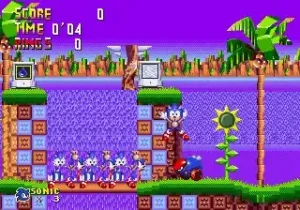
Play Sonic Revelation online! It is one of the top-rated SEGA Genesis games you can play for free. No download, emulator, or setup required—jump straight into the action directly in your browser and start playing this classic in seconds.
Sonic’s Gameplay Mechanics and Difficulty
The Sonic franchise is renowned for its high-speed platforming, which not only challenged players but also set new standards for the gaming industry. Players control Sonic, a blue hedgehog, who races through various levels filled with loops, ramps, and enemies. The core gameplay revolves around collecting rings, defeating foes, and utilizing unique power-ups. The frenetic pace demands precise timing and reflexes, making the game both exhilarating and, at times, unforgiving.
Moreover, the difficulty curve is meticulously designed to reward skillful play. While early levels introduce players to the mechanics gently, later stages require mastery and quick thinking, ensuring that Sonic remains approachable yet challenging. This design contributes to the game’s enduring appeal, as players often return to improve their times and hone their skills in the quest for perfection.
The Historical Context and Release Impact
First released in 1991 for the Sega Genesis, Sonic was a crucial response to Nintendo’s dominating presence in the gaming market. The timing was no coincidence. Sega aimed to create a character that contrasted with Mario, resulting in Sonic’s edgier, cooler persona. This strategic move significantly influenced the marketing landscape, showcasing the importance of character branding in gaming.
From its catchy theme music to its vibrant graphics, Sonic redefined what players could expect from a platformer. Unlike previous titles dominated by slower pacing, Sonic focused on speed, pushing the limits of the Sega Genesis hardware. The game’s success not only propelled Sega into a competitive position against Nintendo but also laid the groundwork for future game design, where dynamic movement became a cornerstone in platform gaming.
Cultural Impact and Legacy
The cultural impact of Sonic extends well beyond the gaming industry. With his striking design and an infectious attitude, Sonic quickly became a cultural icon. The franchise spawned numerous sequels, animated series, and even a live-action movie, reinforcing his status as a household name. This longevity showcases the character’s versatility and the franchise’s ability to adapt to changing gaming landscapes.
In conclusion, the Sonic franchise is a testament to innovation in gaming, blending speed with intricate level design. Its historical significance and cultural impact keep it relevant in today’s gaming discussions. As the gaming community continues to celebrate retro titles, Sonic stands as a pillar of nostalgia, forever remembered for pushing boundaries and challenging players in ways that are still felt in modern platformers.