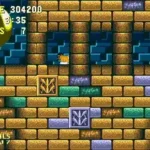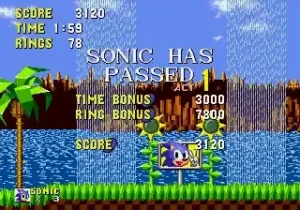
Play Sonic the Hackable online! It is one of the top-rated SEGA Genesis games you can play for free. No download, emulator, or setup required—jump straight into the action directly in your browser and start playing this classic in seconds.
Core Gameplay Mechanics and Difficulty
Sonic revolutionized the platforming genre with its signature speed and fluid movement mechanics. Players navigate colorful levels filled with rings to collect, enemies to defeat, and loop-de-loops to experience. The core objective is straightforward: reach the end of each level while avoiding hazards and collecting power-ups. However, this simplicity belies a deeper complexity that enhances the challenge. Timing, precision, and memorization are crucial, as each stage introduces increasingly intricate obstacles and foes. The optimization of speed allows Sonic to outpace enemies, creating a thrilling sense of exhilaration.
With multiple pathways through each level, players are encouraged to replay stages to discover different routes and secrets. The difficulty curve is expertly curated, offering newcomers a reasonable introduction to platforming while rewarding seasoned gamers with exhilarating speed runs and mastery of advanced techniques. Moreover, the variety in environments—from lush green hills to treacherous caves—keeps the gameplay fresh and engaging.
Historical Release Background
Launched in 1991 by Sega, Sonic became an instant icon, representing a bold shift in gaming culture. At a time when Nintendo dominated with slower-paced platformers, Sonic introduced a new pace that resonated with players. This speed-centric approach drew not just from gameplay mechanics but also from a cultural zeitgeist eager for fast and thrilling entertainment. The character design, featuring vibrant colors and an edgy attitude, appealed to a youthful demographic and became a cultural touchstone of the era.
Originally released on the Sega Genesis, this title showcased remarkable technical achievements, including parallax scrolling and vibrant graphics that pushed the limits of hardware at the time. Sonic was not just a game; it was a statement—a direct competitor to Mario, designed to carve out a unique niche in the market. Over the decades, Sonic has spawned numerous sequels and adaptations, further solidifying its legacy in the gaming world.
Cultural Impact and Long-Term Legacy
The influence of Sonic extends well beyond core gaming circles. The character has become a symbol of 90s pop culture, influencing television shows, comics, and merchandise. Events like Sonic’s inclusion in the Olympics video games show the flexibility of the franchise, appealing to both new and nostalgic audiences. With ongoing releases and fan engagement through remakes and spin-offs, Sonic remains an enduring figure in gaming history.
In conclusion, Sonic’s speed and innovative gameplay mechanics have left an indelible mark on the gaming landscape. From its historical significance to its cultural relevance, the game continues to resonate with new generations of players. An icon that redefined platforming, Sonic’s legacy endures, reminding us why it holds a cherished place in the hearts of many. Whether through gameplay or nostalgia, the blue blur is here to stay.