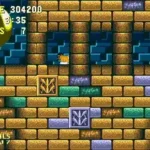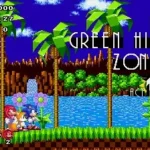
Play Sonic the Hedgehog 2 (CENSOR prototype) online! It is one of the top-rated SEGA Genesis games you can play for free. No download, emulator, or setup required—jump straight into the action directly in your browser and start playing this classic in seconds.
Gameplay Mechanics and Difficulty
Sonic the Hedgehog 2 revolutionized the platforming genre with its speed-centric gameplay and level design. Players control Sonic, navigating through vibrant worlds filled with loops, springs, and obstacles. The introduction of Miles “Tails” Prower as Sonic’s sidekick added a new dynamic to gameplay, allowing for cooperative play and giving players a chance to explore different strategies. The game features varied levels, each with unique challenges, from the lush Green Hill Zone to the treacherous Chemical Plant Zone.
Difficulty scales throughout the game, introducing players to increasingly complex mechanics and enemy types. The iconic Chaos Emeralds return from the first installment, requiring players to complete special stages that test their reflexes and dexterity. Overall, the blend of speed, exploration, and a pinch of challenge made the game accessible yet engaging for both novice and experienced gamers.
Historical Release and Innovations
Originally released in 1992, Sonic the Hedgehog 2 not only cemented Sonic’s place in gaming history but also showcased Sega’s technical prowess. This sequel allowed for enhanced graphics and smoother animations, thanks to the Sega Genesis hardware. The game’s colorful and detailed artistry marked a sharp contrast to its competitors, making it visually stunning for its time.
Beyond visuals, the introduction of the Spin Dash mechanic revolutionized gameplay. This allowed players to charge up and dash ahead, breaking through barriers with ease and adding a layer of strategy to movement. When combined with the two-player mode that allowed Tails to assist or compete, the game became a ground-breaking example of cooperative gaming.
Cultural Impact and Legacy
Sonic the Hedgehog 2 has had a lasting impact on gaming culture, establishing Sonic as a beloved character and mascot for Sega. The catchy soundtrack by Jun Senoue remains iconic, serving as a nostalgic element for many players. The game’s success led to sequels, spin-offs, and adaptations across various media, including animated series and comic books, ensuring its legacy persists in popular culture.
Conclusion
Decades later, the influence of Sonic the Hedgehog 2 is undeniable. It not only defined a generation of gamers but also set standards for future platformers. Its engaging gameplay mechanics, innovative design, and cultural relevance continue to resonate with players around the globe, solidifying its status as a classic in video game history. Whether for its nostalgic charm or its pioneering spirit, this game remains a timeless piece of art in the gaming world.