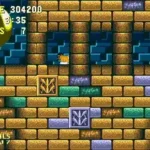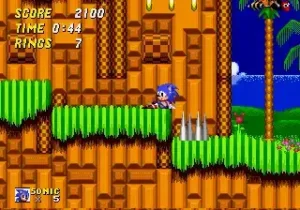
Play Sonic The Hedgehog 2 (Nick Arcade Prototype) online! It is one of the top-rated SEGA Genesis games you can play for free. No download, emulator, or setup required—jump straight into the action directly in your browser and start playing this classic in seconds.
Unraveling the Origins of Sonic The Hedgehog 2
Released in 1992, Sonic The Hedgehog 2 revolutionized the gaming industry with its vibrant visuals and accelerated gameplay. Building upon the foundation of its predecessor, this title introduced new characters and mechanics that would become staples in the Sonic franchise. The success of Sonic’s speedy adventures not only cemented its place in gaming history but also elevated Sega’s status against competitors like Nintendo. The prototype version showcased during Nick Arcade offers a fascinating glimpse into its developmental process, demonstrating how ideas evolved from concept to beloved classic.
Gameplay Mechanics and Innovations
The core gameplay of Sonic The Hedgehog 2 relies heavily on speed, fluidity, and vibrant level design. Players navigate through intricate levels packed with loops, jumps, and enemies, creating a thrilling experience that encourages exploration and skillful maneuvers. The introduction of Tails, Sonic’s sidekick, allowed for cooperative gameplay, where players could team up or control Tails to assist Sonic in various challenges. Technologically, the game pushed the limits of the Sega Genesis with enhanced graphics and smoother animations, providing a gameplay experience unheard of at that time.
The Cultural Impact of Sonic’s Sequel
Since its release, Sonic The Hedgehog 2 has left an indelible mark on pop culture. It reinvigorated interest in platform games and established Sonic as an enduring mascot for Sega. The game’s catchy soundtrack, distinct characters, and engaging levels have led to numerous spin-offs and merchandise, making it a household name. As video game franchises continue to evolve, the creative design and innovative gameplay of this title remain a benchmark against which other games are measured.
Why Sonic The Hedgehog 2 is Still Relevant Today
Decades after its debut, Sonic The Hedgehog 2 is fondly remembered for its unique fusion of speed and platforming elements. The retro gameplay continues to captivate new generations through remastered versions, appearances in modern compilations, and game collections. Its influence can also be seen in contemporary titles, where developers borrow elements of level design and character dynamics. Fans nostalgically revisit the game, while newcomers are drawn to its addictive mechanics and timeless appeal.
In conclusion, Sonic’s second adventure remains emblematic of the creativity and innovation that defined a generation of gaming. Its impressive legacy, backed by memorable characters, challenging gameplay, and cultural resonance, ensures it will be enjoyed for years to come.