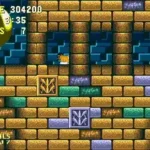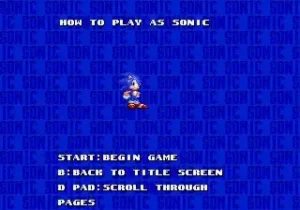
Play Sonic The Return of Shadow online! It is one of the top-rated SEGA Genesis games you can play for free. No download, emulator, or setup required—jump straight into the action directly in your browser and start playing this classic in seconds.
Exploring the Gameplay of Sonic
Sonic revolutionized platforming in the 16-bit era, setting a high bar for speed and precision. Players navigate through vibrant worlds filled with unique enemies, traps, and special stages that reward skill and creativity. The game mechanics focus heavily on momentum, requiring players to master the art of timing jumps and utilizing loops to achieve maximum speed. This instant gratification of dashing through levels stands in stark contrast to slower-paced platformers of the time, making it an exhilarating experience that still resonates with fans today.
The difficulty curve in Sonic is both inviting and challenging, presenting environments that are accessible for newcomers while offering complexities for seasoned players. Engaging with hidden pathways and power-ups adds layers of depth that keep players coming back to unveil every secret. Ultimately, the blend of speed and exploration makes the gameplay addictive, capturing the essence of what makes retro platformers beloved.
Cultural Impact and Legacy
Since its original release, Sonic has transcended the gaming landscape to become a cultural icon. Not only did it introduce the beloved character to a new generation, but it also set the stage for an entire franchise, including TV shows, comics, and numerous sequels. This expansion of the Sonic universe contributed to the game’s long-term legacy, embedding it in the hearts of fans around the globe.
The franchise’s ability to adapt to changing gaming trends—such as moving from 2D to 3D gameplay in later titles—ensures that Sonic remains relevant even decades after its launch. The character’s distinctive blue hue and signature red shoes have cemented Sonic’s image as one of gaming’s most recognizable figures. Fans still celebrate their nostalgia through spin-off games, merchandise, and conventions dedicated to the franchise.
Innovations in Design
Sonic introduced several technical innovations that challenged the norms of platform gaming. The iconic parallax scrolling effect, allowing for layered backgrounds, created a more immersive experience, while the game’s vibrant graphics pushed the limits of what was possible on consoles at the time. Sonic’s design philosophy centered around speed and fluidity, delivering a sensory experience that captivated audiences and redefined gaming expectations.
Conclusion
The enduring popularity of Sonic speaks to its impact and the innovative spirit of its design. It successfully combined speed, unique gameplay, and a compelling character, which resonated deeply with players both then and now. The lessons learned from its development continue to influence modern games, showcasing why Sonic remains a beloved staple in the world of retro gaming. As players celebrate its rich history, Sonic stands as a testament to the creativity and imagination that characterized a pivotal era in gaming.