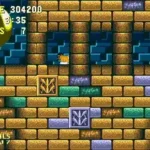
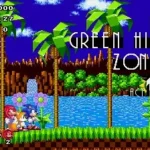
Play Spiderhog in Sonic 2 online! It is one of the top-rated SEGA Genesis games you can play for free. No download, emulator, or setup required—jump straight into the action directly in your browser and start playing this classic in seconds.
Core Gameplay Mechanics and Difficulty
The introduction of unique characters like Spiderhog in Sonic 2 added layers of complexity to the beloved platformer. Players were tasked with navigating intricate levels that not only required agility but also keen strategy. Each level challenged the player’s reflexes, with obstacles cleverly integrated into the environments. The **speed** of Sonic was balanced by various enemies and traps that players had to dodge, introducing a thrilling sense of urgency. This amalgamation of fast-paced action and tactical gameplay made the game appealing to both newcomers and seasoned gamers.
The presence of characters like Spiderhog introduced novel mechanics, enhancing the overall experience. Players learned to master not just the iconic spin dash but also unique abilities that encouraged exploration and experimentation. This emphasis on versatility in gameplay mechanics set a foundational stone for future titles in the franchise, allowing them to build upon this interactive model.
The Historical Impact of Sonic 2
Launched in 1992, Sonic 2 was a significant milestone for Sega, solidifying its dominance in the gaming industry. It marked the introduction of 2-player mode, a feature that allowed friends to compete or cooperate, attracting diverse player demographics. The game became an instant classic largely due to its vibrant graphics, memorable soundtrack, and exhilarating gameplay. Spiderhog and other new characters were integral in maintaining engagement through various avenues of play, appealing to a wide range of audiences.
Sonic 2 also showcased groundbreaking design innovations that were noteworthy for its time. For instance, its use of parallax scrolling created a sense of depth, immersing players into its vivid world. This engaging design greatly influenced future platformers, pushing developers to innovate in terms of **level design** and character dynamics. The legacy of Sonic 2 continues through remakes and appearances in compilations, reflecting a gameplay experience that has genuinely stood the test of time.
Cultural Influence and Long-term Legacy
Spiderhog and the Sonic franchise have cemented their place in gaming culture, with numerous references in media, merchandise, and fan art. The continuation of the franchise speaks to its deep-rooted nostalgia for players who grew up in the ’90s, as well as new audiences captivated by its charm. The game laid the groundwork for sequels and spin-offs, emphasizing cooperative multiplayer gameplay that remains relevant today.
Conclusion
In essence, Sonic 2 is not just a nostalgic trip down memory lane but also a cornerstone in platform gaming innovation. The inclusion of characters like Spiderhog enriched gameplay experiences while fostering a community around shared challenges and victories. The game’s lasting impact on both players and the industry is a testament to its brilliance and creativity, ensuring it will be fondly remembered for generations to come.