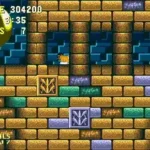
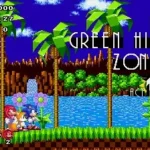
Play Toei Sonic In Sonic 1 online! It is one of the top-rated SEGA Genesis games you can play for free. No download, emulator, or setup required—jump straight into the action directly in your browser and start playing this classic in seconds.
Revolutionizing Platforming: The Legacy of Sonic 1
The original Sonic game catapulted Sega into the limelight when it was released in 1991. As a flagship title, it not only defined a generation of gaming but also marked a significant shift in platforming mechanics. Characterized by its speed-centric gameplay, Sonic introduced a blue hedgehog hero whose primary goal was to defeat the evil Dr. Robotnik while collecting rings and navigating vibrant levels. This unique blend of speed and precision gave rise to a new type of platformer that many games would aspire to replicate.
Gameplay Mechanics and Design Innovations
Sonic 1 introduced numerous gameplay innovations that have since become staples of the genre. The gameplay revolves around achieving high speed, which is achieved through intricate level designs and unique mechanics. Players navigate through various zones, each containing loops, obstacles, and enemies. Notable features include the Spin Dash, which allows the player to charge forward, making Sonic even more dynamic. The game’s difficulty is carefully curated; while early levels set a friendly tone for newcomers, later stages challenge even seasoned players. This balance of accessibility and challenge is one of the hallmarks of the game’s lasting appeal.
The Technical Marvel of 16-Bit Graphics
Another significant aspect of Sonic 1 is its graphics and sound design, powered by the Sega Genesis. The vibrant color palette and smooth animations were groundbreaking for their time, showcasing Sega’s technical prowess. Composed by Masato Nakamura, the soundtrack remains iconic, enhancing the overall experience and immersing players in the fast-paced world of Sonic. Together, these elements contributed to an unforgettable atmosphere that defined not just a game, but an entire console era.
Cultural Impact and Continued Relevance
Over the decades, Sonic 1 has left an indelible mark on popular culture, leading to an expansive franchise that includes animated shows, comics, and merchandise. The game is credited with establishing Sonic as a cultural icon, rivaling Mario and becoming synonymous with 90s gaming. Today, its influence can still be seen in modern platformers, as developers draw inspiration from the game’s groundbreaking mechanics. Sonic 1 endures in players’ memories, with continuous fan engagement, including remakes and retrospectives that celebrate its innovative spirit.
In conclusion, the journey of Sonic from its initial release to present-day recognition reflects its significant role in gaming history. Its blend of speed, innovative design, and cultural resonance ensures that it will be celebrated for generations to come, remaining a beloved cornerstone of retro gaming nostalgia.