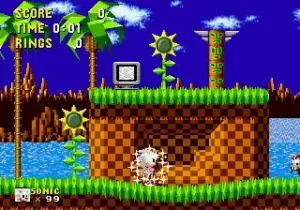
Play White Sonic 1 online! It is one of the top-rated SEGA Genesis games you can play for free. No download, emulator, or setup required—jump straight into the action directly in your browser and start playing this classic in seconds.
Reviving Sonic’s Legacy: White Sonic 1
The introduction of **Sonic 1** marked a pivotal moment in gaming history, not just for its exhilarating gameplay but for how it defined a generation’s passion for speed. Players were drawn into a vibrant world, racing through levels filled with loops and enemies that showcased the franchise’s innovative approach to platforming. This release was not just another title; it evolved the platforming genre and positioned Sonic as a cornerstone of 90s video game culture.
Gameplay Mechanics and Difficulty
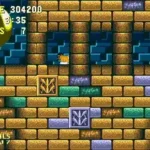
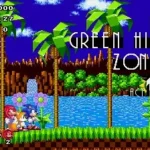
At its core, **Sonic 1** introduces players to a unique blend of speed and precision. The gameplay emphasizes momentum, allowing players to traverse intricate landscapes filled with obstacles and power-ups. One of the defining features was the spin dash ability, introduced to allow Sonic to quickly regain momentum after stopping. The game’s difficulty was designed to be approachable for new gamers while still challenging seasoned players, making it a delightful experience for all ages. Each level presented its own unique challenges, from the serene Green Hill Zone to the treacherous Labyrinth Zone, keeping players engaged and eager to improve their skills.
Technical Innovations
**Sonic 1** was groundbreaking in its technical execution. The game took full advantage of the Sega Genesis hardware, presenting graphics that were bright and vivid for its time. Notably, the parallax scrolling backgrounds added depth to the gameplay, creating a more immersive experience. Coupled with an iconic soundtrack composed by Masato Nakamura, the overall presentation was nothing short of revolutionary, capturing the essence of the character and the world he inhabited.
Cultural Impact and Legacy
Sonic emerged as a cultural icon soon after the release of **Sonic 1**. The game not only established a franchise but also ignited a rivalry with Nintendo, showcasing the competitive spirit of the gaming industry. Sonic’s charisma and design resonated with players, leading to numerous sequels, spin-offs, and merchandise. More than just a game, Sonic became a symbol of the 90s gaming boom, influencing future developers and shaping platforming mechanics for years to come.
Today, **Sonic 1** remains a beloved classic, reflecting an era of innovation and creativity in gaming. Many players recall not only the thrill of racing through stages but also the excitement of sharing tips and experiences with friends. This enduring nostalgia ensures that Sonic’s legacy continues to thrive, reminding us of the joy and wonder that defined our early gaming experiences.