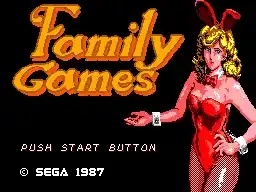
Play Family Games (Japan) online! It is one of the top-rated SEGA Master System games you can play for free. No download, emulator, or setup required—jump straight into the action directly in your browser and start playing this classic in seconds.
Introducing Family Games: A Cultural Staple in Japanese Gaming
The charm of Family Games lies in its ability to bring people together, a concept deeply rooted in Japanese culture. Released during the golden age of video gaming in the late 1980s, it stood out not just for its engaging gameplay but also for its innovative approach to multiplayer experiences. The game offered an accessible entry point for families, allowing them to bond over challenges and cooperative gameplay, solidifying its status as a beloved classic.
Core Gameplay and Mechanics
At its heart, Family Games combines simple yet captivating mechanics, making it suitable for players of all ages. The game features various mini-games that test players’ skills—ranging from reflex-based tasks to strategic challenges. Each mini-game is short, making it easy for families to jump in and out without the commitment of longer gameplay sessions. This design encourages social interaction, as players can cheer each other on or strategize together, further enhancing the overall experience.
The game’s difficulty curve is finely balanced; levels gradually become more challenging, ensuring that newcomers can enjoy the experience without feeling overwhelmed. Additionally, the vivid graphics and catchy soundtracks serve to enhance the nostalgic vibe, drawing players into its colorful world.
Technical Innovations and Legacy
Family Games was notable for its early adoption of engaging multiplayer mechanics and colorful, cartoonish graphics. Its user-friendly interface set a standard in gaming, paving the way for future family-oriented games. The game’s success has influenced not only the genre but also the development of various gaming consoles aimed at family entertainment.
The Cultural Impact and Enduring Popularity
<pThe significance of Family Games extends beyond its gameplay. The title has become a cultural reference point in Japan, symbolizing the joy of gaming as a family activity. Youths who played it often reminisced about their childhood memories, fostering a community of gamers eager to share their experiences. The game has inspired numerous sequels and spin-offs over the years, demonstrating its lasting appeal. Today, it continues to be celebrated, whether through remastered editions or as a nostalgic relic in popular culture.
Ultimately, Family Games remains a touchstone in the realm of retro gaming, combining engaging gameplay, cultural significance, and lasting memories. Its blend of fun and cooperation makes it a timeless favorite that continues to be remembered and cherished by generations of gamers.