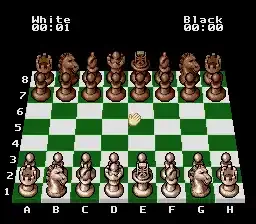
Play Chessmaster, The (Japan) online! It is one of the top-rated Super NES games you can play for free. No download, emulator, or setup required—jump straight into the action directly in your browser and start playing this classic in seconds.
Game Evolution and Technical Innovations
The introduction of Chessmaster in Japan marked a significant evolution in the realm of chess video games. Released in 1986 by the renowned Software Toolworks, this title not only showcased the intricate complexities of chess but also brought a unique blend of educational and entertainment value to the gaming world. Its sophisticated algorithms provided players with challenging gameplay, mimicking real-life chess strategies which helped both novices and seasoned players improve their skills.
One major aspect that set Chessmaster apart from others of its time was its robust AI system. Players encountered various difficulty settings, offering a tailored experience for anyone from beginners looking to learn the basics to advanced players seeking high-level competition. The game also featured modes that allowed for training against historical grandmasters, introducing players to different styles of play and strategic thought processes. The interface was intuitive for its time, showcasing a clean design that made navigating through the game a seamless experience.
Cultural Impact and Long-Term Legacy
Decades after its initial release, Chessmaster remains a cultural touchstone for retro gaming enthusiasts. It is fondly remembered not just for its gameplay, but for its role in popularizing chess among younger audiences. This title is often credited with fostering a generation’s love for chess, particularly among gamers who had limited exposure to the traditional board game.
The game’s educational aspects can’t be overlooked either. It inspired many chess clubs and learning institutions to incorporate video games as tools for teaching strategy and critical thinking. The lasting legacy of the Chessmaster series paved the way for the development of future chess games and programs that emphasize skill enhancement through engaging gameplay.
A Classic Worth Revisiting
The enduring appeal of Chessmaster lies in its ability to combine education with entertainment, making it a must-play for both the nostalgic and the curious. Its historical significance in the gaming landscape continues to resonate, ensuring it remains a cherished classic.
In summary, Chessmaster is not merely a game; it represents a pivotal moment in the confluence of gaming and intellectual pursuit. Its innovative design and cultural importance are remembered fondly, and the lessons learned on its virtual chessboard echo in the minds of players long after the screen fades to black.