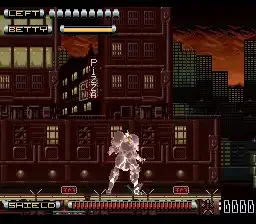
Play Genocide 2 (Japan) (Beta) online! It is one of the top-rated Super NES games you can play for free. No download, emulator, or setup required—jump straight into the action directly in your browser and start playing this classic in seconds.
Rediscovering the Legacy of Genocide 2
Genocide 2 remains a captivating chapter in the annals of retro gaming history. Initially released in Japan as a beta version, this game garnered attention not just for its gameplay mechanics but also for its controversial themes. With its unique blend of action and narrative depth, it has left a substantial mark on players and industry observers alike, cementing its status as a cult classic among aficionados of vintage arcade experiences.
Gameplay and Mechanics: Challenge Awaits
The core gameplay of Genocide 2 revolves around navigating hostile environments filled with adversarial entities while employing strategic approaches to overcome challenges. Players find themselves immersed in a fast-paced action environment that demands quick reflexes and critical thinking. It combines shooting and puzzle-solving elements, creating a unique tension that requires players to not only fight but also think critically about their next moves.
- Intuitive controls that respond well to player inputs
- Diverse enemy types that require different strategies to defeat
- Unlockable weapons and upgrades for enhanced gameplay
The overall difficulty curve is substantial, making it a game that tests even seasoned players. Newcomers often find themselves in the deep end, while veterans appreciate the challenge, leading to a dedicated community still dissecting its mechanics and strategies today.
A Historical Snapshot
<pLaunched in a period marked by rapid technological advancements, Genocide 2 emerged during the late '90s, standing out due to its innovative graphics and sound design for its time. It was one of the key titles that showcased the evolving capabilities of 16-bit consoles, ultimately influencing the design choices of subsequent games. This beta version set a benchmark for how narrative and gameplay could intertwine, paving the way for future titles that would embrace complex storytelling.
Cultural Impact and Legacy
Even years after its beta release, Genocide 2 resonates with players and developers, symbolizing a shift in the gaming landscape. The controversial themes and challenging mechanics sparked discussions about violence in video games, influencing policy decisions and shaping industry standards. The game also inspired a generation of developers who took cues from its design, leading to a broader exploration of narrative depth in video games.
Today, Genocide 2 is not merely remembered for its provocative content but also for its technical proficiency and gameplay innovations that persist in modern games. Its enduring appeal lies in the nostalgia it evokes among those who played it, as well as the interest it continues to generate in the retro gaming community.
In summary, the legacy of Genocide 2 is multifaceted, encapsulating aspects of challenge, innovation, and cultural dialogue that resonate with both gamers and industry professionals. As retro gaming garners renewed interest, this title serves as a reminder of the creativity and complexity that shaped early interactive entertainment.