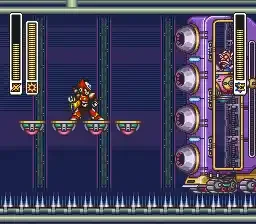
Play Mega Man X2 – Zero Playable online! It is one of the top-rated Super NES games you can play for free. No download, emulator, or setup required—jump straight into the action directly in your browser and start playing this classic in seconds.
Revolutionary Gameplay Mechanics
In the world of classic platformers, few games stand out like Mega Man X2. Released in 1994 for the Super Nintendo Entertainment System, it introduced innovative gameplay mechanics that captivated gamers and set new standards for the genre. Players control X, a highly advanced robot designed for combat, navigating through stages filled with enemies and traps. The introduction of Zero as a playable character added a unique layer to the gameplay, allowing players to experience different abilities and combat styles. This diversity enriched the gameplay, making it a standout title among its contemporaries.
The core gameplay revolves around mastering X’s arsenal while navigating tight platforms and defeating formidable bosses. The game’s difficulty level is notable, requiring strategy and skill to progress. Each boss defeated grants players new weaponry, integrating a tactical approach to future levels. The expert level of challenge kept players returning, striving to refine their skills and achieve mastery, an aspect that many gamers fondly remember. In an era dominated by 2D side-scrollers, the combination of fast-paced action and intricate level design made Mega Man X2 an unforgettable experience.
Historical Context and Cultural Impact
An essential part of the history of video games, Mega Man X2 was a significant entry in the popular Mega Man series. Following the success of its predecessor, this sequel not only improved upon established gameplay mechanics but also showcased the graphical capabilities of the Super Nintendo. With vibrant, colorful graphics and an unforgettable soundtrack, the game contributed to the 16-bit era’s legacy, influencing countless titles beyond its time.
The game’s cultural impact is still felt today, with references to its iconic characters and mechanics appearing in various forms of media. It introduced features that became staples in later gaming releases, such as the ability to backtrack to earlier levels with new abilities to access hidden areas. Fans of retro gaming often cite it as a prime example of game design excellence, leading to a lasting legacy that keeps it relevant—still embraced by new generations of gamers through remakes and compilations.
Lasting Legacy and Remembrance
Today, Mega Man X2 remains a beloved classic, often appearing on lists of the greatest video games of all time. Its engaging gameplay, memorable characters, and challenging design continue to resonate with fans. The introduction of Zero as a playable character enriched player experience and solidified the game’s reputation. As nostalgia for retro titles grows, the game has not only survived but thrived, ensuring that its influence on game design and culture is appreciated by both veterans and newcomers alike.
Conclusion
The legacy of Mega Man X2 endures due to its revolutionary gameplay, rich history, and cultural impact. It stands as a testament to the innovative spirit of its time, offering challenges that continue to captivate players. As the gaming industry evolves, the lessons learned from this classic title remind us of the artistry and creativity that define beloved games. Its unforgettable gameplay and the unique introduction of Zero will forever be celebrated among the titans of retro gaming.