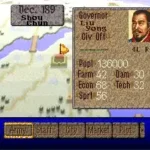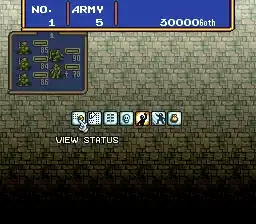
Play Ogre Battle – The March of the Black Queen (USA) online! It is one of the top-rated Super NES games you can play for free. No download, emulator, or setup required—jump straight into the action directly in your browser and start playing this classic in seconds.
Core Gameplay Mechanics and Difficulty
Ogre Battle stands out in the tactical RPG genre due to its unique blend of real-time strategy and role-playing elements. Players command a diverse team of units across intricate maps, making strategic decisions that influence the overall narrative. The game operates on a distinct battle system that emphasizes unit placement and formation, encouraging players to think critically about their army composition. Unlike traditional turn-based battles, the real-time element adds an exhilarating layer of urgency, making each encounter feel dynamic and consequential.
The game’s difficulty is often lauded for requiring careful planning and resource management. Players must navigate a political landscape while managing troop morale and equipment. This complexity is not just about winning battles but also understanding the larger context of the story and its characters. As units gain experience, they evolve, reflecting player choices and strategies. This offers a rewarding sense of progression, emphasizing that every decision counts in both battle and narrative development.
Historical Release Background and Cultural Impact
Released in 1993 for the Super Nintendo Entertainment System, Ogre Battle was initially a breath of fresh air in an era dominated by more linear RPGs. It introduced players to a narrative-driven game that blended history and fantasy, echoing themes of war, betrayal, and honor. Developed by Quest Corporation, the game was a pioneer in marrying an intricate storyline with tactical gameplay, influencing countless titles that followed.
Over the years, its legacy has only grown. The combination of compelling gameplay and a rich plot resonated with a dedicated fanbase, prompting remakes and sequels. It paved the way for future tactical RPGs, proving that games could challenge the player intellectually while providing a narrative depth similar to literature. Today, Ogre Battle is celebrated not just as a game but as a touchstone in gaming history that continues to inspire developers and players alike.
Long-Term Legacy
The enduring appeal of Ogre Battle lies in its ability to engage players emotionally and intellectually. Fans remember the game for its richly developed characters and morally complex dilemmas, setting it apart from other titles of its time. Additionally, the game is often cited in discussions about the evolution of strategy games and their narrative potential.
Conclusion
As a landmark title in the evolution of tactical RPGs, Ogre Battle offers much more than just nostalgic gameplay; it embodies the deeper storytelling potential of video games. Its influence extends beyond its initial release, inspiring a wave of innovations in game design and narrative structure that persist today. Those who revisit this classic discover not only the thrill of tactical warfare but also the enduring power of a well-told story, solidifying its status as a beloved gem in gaming history.