Play Romance of the Three Kingdoms II (USA) online! It is one of the top-rated Super NES games you can play for free. No download, emulator, or setup required—jump straight into the action directly in your browser and start playing this classic in seconds.
Gameplay Mechanics and Challenges
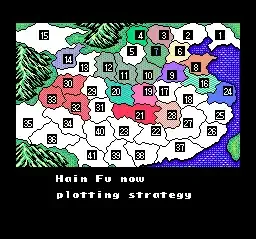
In the realm of strategy simulation games, *Romance of the Three Kingdoms II* offered a rich tapestry of gameplay that incredibly blended historical narrative with complex mechanics. Players command armies, manage resources, and engage in diplomacy within the chaotic backdrop of China’s Three Kingdoms period. The game emphasizes strategic planning and long-term thinking, as players must not only control territories but also balance the relationships between various factions and generals. The difficulty level is notable; it challenges even seasoned gamers with intricate scenarios where choices have far-reaching consequences.
Players need to master several core mechanics, including:
- City management and resource allocation
- Warfare tactics and military formations
- Character development and relationship building
These elements require thorough attention, making every victory feel hard-earned. The blend of historical narrative and gameplay intricacies helps explain why this title has remained a fan favorite for decades.
Historical Context and Innovations
*Romance of the Three Kingdoms II* emerged in the early 90s, a time when the gaming industry was ripe for innovation. Developed by Koei, this sequel was groundbreaking, as it not only expanded on its predecessor’s systems but also introduced new gameplay and features, setting a high bar for simulation games. Unlike many titles of its time, it incorporated real historical figures and events, which added depth and immersion.
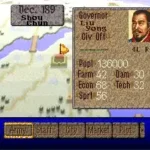
The game differed from others by allowing players to select from numerous scenarios—some following historical events and others offering alternate outcomes, which appealed to both history buffs and strategic gamers alike. Its pixel art and interface design were also notable, providing an engaging visual experience that complemented its gameplay. As a pioneer in the genre, *Romance of the Three Kingdoms II* laid down the groundwork for future installments, ultimately paving the way for a beloved series that continues to capture attention today.
Cultural Impact and Legacy
The cultural resonance of *Romance of the Three Kingdoms II* extends beyond gaming. The narrative threads it weaves from classic Chinese literature continue to influence modern media, including films and television series. As nostalgia for retro gaming grows, this title remains a cornerstone in discussions about the evolution of strategy games. It invites both new players and veterans to explore its layers of complexity and historical richness, ensuring its place in the annals of gaming history.
In conclusion, *Romance of the Three Kingdoms II* stands as a landmark title that shaped the strategy genre. Its gameplay mechanics, innovative features, and cultural significance have secured it a lasting legacy. As players continue to revisit the nuanced world of this classic, it serves as a reminder of how games can intertwine history and strategy, creating experiences that captivate for generations.