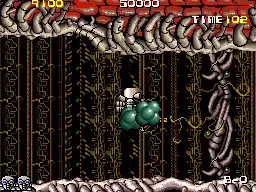
Play Atomic Robo-kid (Japan, Type-2, set 2) online! It is one of the top-rated Arcade games you can play for free. No download, emulator, or setup required—jump straight into the action directly in your browser and start playing this classic in seconds.
Rediscovering Atomic Robo-kid’s Gameplay Mechanics
Atomic Robo-kid showcased unique gameplay mechanics that set it apart from contemporaries in the arcade gaming scene. Released in the late 1980s, players navigated through vibrant, pixelated worlds controlled by a robotic protagonist. The game combined classic sidescrolling shooter elements with inventive power-up systems, allowing players to customize their playstyle. The difficulty curve was notoriously steep, with relentless enemy attacks and complex levels requiring precise controls and quick reflexes, aspects that contributed to its legendary status in retro gaming. While many games relied on simple mechanics, Atomic Robo-kid forced players to adapt and strategize, ensuring a rewarding but challenging experience.
A Look Back at Atomic Robo-kid’s Historical Significance
Launched by UPL in 1988, Atomic Robo-kid occupies a notable place in gaming history, especially within the realm of Japanese arcade games. As part of the burgeoning shooter genre, it creatively utilized the hardware capabilities of the Type-2 arcade system, enabling vibrant graphics and intricate level designs. The game’s aesthetic appeal, punctuated by neon colors and quirky character designs, resonated strongly with the arcade culture of its time. Despite its initial release in Japan, the game’s appeal quickly expanded across borders, influencing many budding developers and inspiring future generations of side-scrolling shooters.
The Cultural Impact of Atomic Robo-kid
The influence of Atomic Robo-kid extends beyond mere gameplay; it encapsulated a cultural shift in arcade gaming during the late ’80s. With its unique fusion of action and humor, the game garnered a dedicated following, setting the stage for similar titles in the years to come. While the arcade era eventually faded, players still reminisce about its engaging gameplay. Here are a few reasons why Atomic Robo-kid continues to be celebrated today:
- Innovative gameplay mechanics
- Memorable character design
- Significance in the evolution of side-scrolling shooters
Conclusion
In summary, Atomic Robo-kid stands as a beloved artifact from the golden age of arcade gaming, not merely for its engaging gameplay but also for its cultural significance. Its challenges pushed players to grow, adapting to its many twists and turns while cultivating a community of devoted fans. As retro gaming makes a comeback, titles like Atomic Robo-kid serve as vital reminders of the innovative spirit that defined an era. Celebrating this game’s legacy ensures its place in the pantheon of classic arcade experiences will be remembered for years to come.
![The King of Fighters 2002 Magic Plus II (bootleg) [Bootleg]](https://www.retrogames.me/wp-content/uploads/the-king-of-fighters-2002-magic-plus-ii-bootleg-bootleg-150x150.webp)