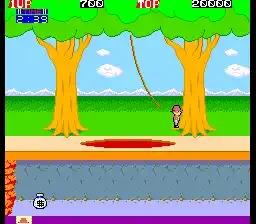
Play Pitfall II (not encrypted) online! It is one of the top-rated Arcade games you can play for free. No download, emulator, or setup required—jump straight into the action directly in your browser and start playing this classic in seconds.
Unraveling the Gameplay of Pitfall II
Pitfall II is not just another platformer; it’s a landmark game that redefined the genre with its innovative gameplay mechanics. Released in 1984, this sequel to the original Pitfall! introduced players to a sprawling world filled with intricate level designs and a wealth of challenges. Unlike its predecessor, which focused on time-based scoring, Pitfall II allowed players to explore a vast interconnected environment. The game encouraged exploration, offering hidden treasures and multiple paths to success, making it both engaging and immersive.
The gameplay mechanics featured different elements, such as swimming, climbing, and swinging across gaps, all set against the backdrop of a vibrant jungle. However, the increased complexity of enemy encounters, including crocodiles and spiders, added to the challenge, demanding quick reflexes and keen strategic planning from players. Mastering these elements elevated the overall experience, keeping gamers returning for more.
A Technological Revolution in Gaming
What set Pitfall II apart from its contemporaries was its groundbreaking technical design. Developed for the Atari 2600, it showcased the console’s potential with impressive graphics and responsive controls. The game utilized advanced programming techniques to create fluid animations and a more diverse array of gameplay elements than any previous titles. This leap in design was revolutionary for its time, captivating audiences and highlighting the potential of 8-bit gaming.
The inclusion of a musical score, an element rarely seen in Atari games, further enriched the experience, making Pitfall II not just a game but a dynamic audio-visual journey. This thoughtful integration of music and sound effects paved the way for future games, enhancing emotional engagement and setting a new industry standard.
Lasting Cultural Impact
Pitfall II remains etched in gaming history as a pioneer, influencing future generations of platformers. Its rich design and exploratory nature paved the way for iconic series like Super Mario and Sonic the Hedgehog. The game’s enduring legacy is evident in its frequent references in pop culture, spanning TV shows, merchandise, and modern remakes.
Conclusion
As we reflect on the legacy of Pitfall II, it’s clear that this iconic game holds a special place in the hearts of retro gaming enthusiasts. Its innovative gameplay, technical advancements, and cultural significance continue to resonate today, demonstrating that even decades later, it remains a remarkable example of creativity and design excellence in the gaming world. For those who experienced its adventures firsthand, Pitfall II is more than just a game; it’s a nostalgic journey that defined an era.
![The King of Fighters 2002 Magic Plus II (bootleg) [Bootleg]](https://www.retrogames.me/wp-content/uploads/the-king-of-fighters-2002-magic-plus-ii-bootleg-bootleg-150x150.webp)