Play Rolling Thunder (rev 1) online! It is one of the top-rated Arcade games you can play for free. No download, emulator, or setup required—jump straight into the action directly in your browser and start playing this classic in seconds.
Introduction
Rolling Thunder stands as a hallmark of the arcade era, merging thrilling gameplay with groundbreaking design. Released in 1986 by Namco, this side-scrolling shooter captivated players with its cinematic approach and engaging mechanics. As one of the early titles to incorporate a narrative-driven experience, its innovative gameplay set a new standard for action games, blending puzzles with frantic shootouts and emphasizing both strategy and reflexes. This article delves into the core mechanics, historical significance, and lasting legacy of this iconic classic.
Core Gameplay Mechanics
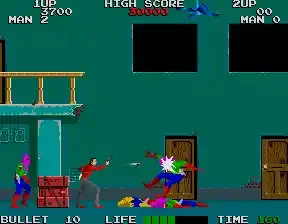
The core mechanics of Rolling Thunder revolve around player movement, enemy engagement, and strategic use of cover. Gamers assume the role of secret agent Albatross, navigating through several stages filled with enemies that rush in from multiple angles. Players jump between platforms, duck behind cover, and use quick reflexes to take down foes. The character’s speed is vital, as players must dodge bullets while shooting back, necessitating a balance of aggression and caution. Each level features power-ups that increase firepower or grant special abilities, enhancing the gameplay experience. The challenge increases as players progress, adding a level of difficulty that has led many to cherish their memories of mastering this arcade staple.
Historical Context and Innovations
Launched during a transformative era for arcade gaming, Rolling Thunder was groundbreaking not only in gameplay but also in visual design. The game introduced vibrant graphics that brought the action to life, along with a unique theme and storyline that was relatively unheard of for its time. Its cinematic cutscenes set it apart from contemporaries, helping to immerse players in its world. Furthermore, the game utilized a distinct color palette and fluid animations that captured the imagination of players. The use of horizontal scrolling in conjunction with a structure that required both exploration and combat contributed to its status as a classic. This innovative blend of cinematic storytelling and gameplay mechanics laid a foundational stone for future titles in the action genre.
Cultural Impact and Legacy
Rolling Thunder left an indelible mark on gaming culture, influencing numerous sequels and spin-offs. Its characters and gameplay elements have appeared in various remakes, and the game itself remains a beloved title among retro enthusiasts. The nostalgia associated with arcade gaming has kept the spirit of Rolling Thunder alive through retro gaming festivals and collections, reaffirming its status as a pioneering title that shaped future action games. Its combination of storytelling and fast-paced gameplay continues to resonate with new generations.
Conclusion
<pDespite the era of arcade dominance fading, Rolling Thunder continues to be celebrated for its historical significance and innovative mechanics. Both nostalgic players and newcomers appreciate its blend of engaging gameplay, cinematic storytelling, and strategic challenges. The game’s impact on the action genre is undeniable, ensuring that the name Rolling Thunder will echo through gaming history as a beloved classic that helped pave the way for modern gaming experiences.
![The King of Fighters 2002 Magic Plus II (bootleg) [Bootleg]](https://www.retrogames.me/wp-content/uploads/the-king-of-fighters-2002-magic-plus-ii-bootleg-bootleg-150x150.webp)