Play Snatcher online! It is one of the top-rated SEGA CD games you can play for free. No download, emulator, or setup required—jump straight into the action directly in your browser and start playing this classic in seconds.
Unpacking the Gameplay Mechanics of Snatcher
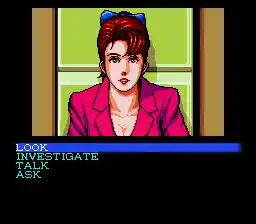
First released in 1988 by Konami, Snatcher introduced players to a thrilling narrative-driven experience that blended elements of interactive fiction and traditional adventure games. Set in a dystopian future, players assume the role of Gillian Seed, a detective tasked with solving the mystery behind synthetic beings known as “Snatchers.” The game’s innovative gameplay mechanics allowed for a unique blend of exploration and decision-making, requiring players to engage with the narrative actively. Through dialogue trees and inventory management, players had to think critically to progress, making each choice significant and reflective of the genre’s evolution at the time.
The Legacy of Snatcher in Gaming Culture
The impact of Snatcher on gaming culture is profound and multifaceted. As one of the earliest examples of a visual novel combined with cyberpunk aesthetics, it laid the groundwork for many subsequent titles that sought to explore complex narratives in interactive formats. Its rich storytelling drew inspiration from classic science fiction, particularly elements reminiscent of works by authors like Philip K. Dick. Additionally, the game was notable for its extraordinary use of full-motion video, setting a precedent for visuals in later games.
- Rich narrative and character development
- Cyberpunk aesthetics and themes
- Influence on future visual novels
Despite its initial limited release, Snatcher has since garnered a dedicated fanbase and is remembered not only for its gameplay innovation but also for its atmospheric music score and detailed graphics. The game’s cult status showcases its lasting appeal, appealing to both nostalgia and curiosity among new gamers eager to experience its unique universe.
Technical Innovations and Design Elements
One of the standout features of Snatcher is its cutting-edge use of multimedia elements for its time. By blending compelling dialogue with animated sequences and voice acting, it created a cinematic experience that drew players deeper into its narrative world. This approach not only captivated audiences but also demonstrated the potential for storytelling in video games, influencing countless developers in the years that followed.
Conclusion
In summary, Snatcher remains a key title in the history of video games, combining innovative gameplay mechanics, a gripping storyline, and groundbreaking technical achievements. Its cultural significance and influence on future genres are undeniable. As the gaming community continues to evolve, titles like Snatcher serve as a nostalgic reminder of the creative potential found within the medium, ensuring that its legacy endures for generations to come.