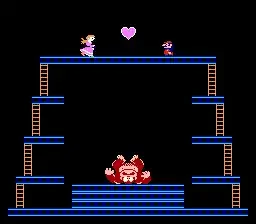
Play Donkey Kong (Japan) (Disk Writer) online! It is one of the top-rated Famicom Disk System games you can play for free. No download, emulator, or setup required—jump straight into the action directly in your browser and start playing this classic in seconds.
Elevating Arcade Standards: The Legacy of Donkey Kong
Donkey Kong marked a significant shift in the gaming landscape when it was released, introducing players to a world filled with engaging characters and challenging levels. The game’s core mechanics revolve around platforming challenges that left players yearning for those adrenaline-filled moments of reaching the top, while evading the dynamic threats thrown in their path. Its innovative aspects are not just about gameplay; they reflect a pioneering era in gaming design that would shape countless other titles to come.
A Game-Changer in the Industry
Released in 1981, Donkey Kong was one of the first games to feature a narrative—players took on the role of Mario, striving to rescue a damsel in distress from the clutches of the formidable title character. The game’s design elements, including moving platforms and obstacles, were groundbreaking for the time. Most notably, it introduced the concept of a “boss” character in video games, a staple now commonplace in the gaming industry. The level of difficulty also played a crucial role in its success, providing a mix of frustration and excitement that kept players returning for more.
Technical Innovations and Gameplay Mechanics
The graphics and sound design were revolutionary for early arcade games, utilizing colorful pixel art that captured the whimsical essence of its characters. Players were required to navigate obstacles while employing strategies to outmaneuver Donkey Kong, adding layers of complexity and skill to the gameplay. The emotional pull of the storyline complemented the gameplay, leaving a lasting mark on those who experienced it. This intricate blend of mechanics and visuals garnered Donkey Kong an iconic status in gaming culture.
The Cultural Impact and Enduring Legacy
Decades later, the influence of Donkey Kong remains palpable across the gaming spectrum. Its characters have become cultural icons, inspiring adaptations in movies, merchandise, and even a dedicated esports community focusing on mastering the original arcade game. This broad cultural significance is reflected in:
- The introduction of Mario as a leading character in future Nintendo franchises.
- The establishment of platforming as a viable genre in video games.
- Enduring references in various forms of media.
Today, Donkey Kong stands as a testament to the artistry and innovation of early video games, demonstrating how a simple premise can lead to an everlasting legacy.
In conclusion, the lasting appeal of Donkey Kong lies not just in its technical achievements but also in its impact on players and the gaming industry as a whole. By combining captivating gameplay with engaging storytelling, it set the foundation for future gaming experiences, ensuring that it will be remembered not only as a classic but as a transformative piece of entertainment history.