Play Link no Bouken – The Legend of Zelda 2 (Japan) (Rev 1) online! It is one of the top-rated Famicom Disk System games you can play for free. No download, emulator, or setup required—jump straight into the action directly in your browser and start playing this classic in seconds.
Gameplay Mechanics and Difficulty
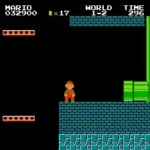
The gameplay of Link no Bouken is often considered a high-water mark in challenging video game design. Diverging from its predecessor, the game introduced a side-scrolling format that not only expanded the adventure scope but also increased the complexity of its combat mechanics. Players navigate through various landscapes filled with enemies, treasures, and perplexing obstacles, which require both strategic thinking and quick reflexes.
One of the standout features of this game is the experience points system. Players gain power through defeating enemies and uncovering secrets, allowing for character progression that adds depth to the RPG elements. The game’s difficulty is notorious; even seasoned players often find themselves challenged by some of the tougher bosses and intricate level designs. This combination of non-linear exploration and demanding gameplay has turned Link no Bouken into a classic, pushing players to hone their skills actively.
Historical Release Background
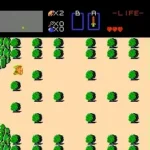
First released in Japan in 1987, Link no Bouken was a significant evolution in the Legend of Zelda franchise. It shifted from a top-down perspective to a side-scrolling format, setting a new trend in game design at the time. The introduction of experience points added a layer of complexity that was not common in action-adventure games of that era. This innovative approach caught players by surprise and contributed massively to the game’s immediate popularity.
Pioneering techniques, such as in-game dialogue, immersive narratives, and a richly drawn world, made this title a standout in the late 80s gaming landscape. Players quickly embraced its unique mechanics, leading to a legacy that influenced many subsequent titles across various platforms. The game was a commercial success, solidifying its place in gaming history and paving the way for further explorations in the Zelda series.
Cultural Impact and Long-Term Legacy
The legacy of Link no Bouken extends far beyond its original release. It set a precedent for future RPGs, inspiring countless developers to incorporate complex narratives and gameplay mechanics in their work. The game’s blend of action and role-playing elements resonated with a generation, cementing the Legend of Zelda franchise as a cultural icon.
- Innovative side-scrolling gameplay
- Rich character development through experience points
- Challenging level design that has influenced many titles
As time has moved forward, Link no Bouken continues to draw nostalgic acclaim from veterans and spark interest among newer players discovering the franchise. Its historical significance and innovative gameplay are just a few reasons it remains a celebrated pillar in gaming history.