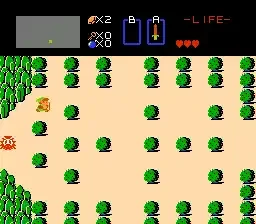
Play Zelda no Densetsu – The Hyrule Fantasy (Japan) online! It is one of the top-rated Famicom Disk System games you can play for free. No download, emulator, or setup required—jump straight into the action directly in your browser and start playing this classic in seconds.
Core Gameplay Mechanics and Difficulty
Zelda no Densetsu revolutionized the action-adventure genre with its unique blend of exploration, puzzle-solving, and combat. Players control Link, who takes on the monumental task of rescuing Princess Zelda and defeating the evil Ganon. The game’s non-linear structure allows players to explore the vast landscape of Hyrule freely, a concept that was innovative at the time of its release in 1986. Additionally, the variety of items, from bombs to boomerangs, adds layers of strategy, encouraging players to think critically about how to navigate various challenges.
The difficulty level in Zelda no Densetsu is carefully balanced, offering both rewarding experiences and a fair share of tough obstacles. Players often encounter intricate dungeons filled with formidable enemies that require skill and ingenuity to overcome. The challenge comes not solely from combat but also from solving complex puzzles that can test one’s problem-solving abilities. This blend of exploration, combat, and puzzle-solving set a precedent for future titles in the franchise and inspired a generation of game developers everywhere.
Historical Release Background and Innovations
The original release of Zelda no Densetsu marked a significant milestone in gaming history. Launched for the Famicom Disk System in Japan, this was one of the first games to introduce a battery-backed save feature, allowing players to continue their quests without losing progress—a concept that dramatically influenced how games were designed in the following years. This innovation made lengthy adventures more accessible and appealing, pushing it beyond the limits of the time’s linear gameplay experiences.
Besides the save feature, the game integrated a complex day-night cycle and environmental elements that affected gameplay—a feat rarely seen in the 8-bit landscape of the 1980s. These elements contributed to a rich storytelling experience, blending action graphics with RPG-like depth. As the series grew, many of these design innovations were refined and expanded upon, solidifying the franchise’s reputation as a pioneer in the industry.
Cultural Impact and Legacy
The influence of Zelda no Densetsu on popular culture and gaming cannot be overstated. It laid the groundwork for future entries in the series and inspired countless adaptations, merchandise, and even fan discussions. The game engendered a dedicated community, fostering a rich landscape of fan-created content and homage material. Hyrule itself has become a pop culture symbol, recognized even by those outside the gaming sphere.
In conclusion, Zelda no Densetsu remains a beloved classic for its innovative gameplay mechanisms, historical significance, and enduring cultural impact. Its visionary design set a standard that continues to influence new generations of gamers and developers, ensuring that its legacy will endure for years to come. Whether revisiting Link’s first adventure or exploring the landscape of Hyrule for the first time, the game’s charm and complexity are undeniable, keeping the spirit of adventure alive.