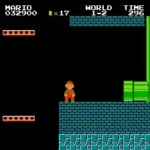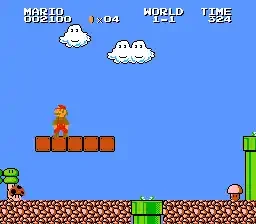
Play Super Mario Bros. 2 (Japan) (En) online! It is one of the top-rated Famicom Disk System games you can play for free. No download, emulator, or setup required—jump straight into the action directly in your browser and start playing this classic in seconds.
Understanding the Gameplay of Super Mario Bros. 2
Super Mario Bros. 2 introduced players to a unique gameplay experience that diverged significantly from its predecessor. The game features four playable characters—Mario, Luigi, Toad, and Princess Peach—each boasting distinct abilities, which adds depth and variety to the gameplay. Players can pick up and throw objects, a mechanic that not only affects combat but also puzzle-solving throughout the beautifully designed levels. The game’s vibrant worlds, filled with quirky enemies like Shy Guys and Sniffits, require players to navigate through challenging platforms and engaging landscapes, making it both accessible and rewarding for casual and veteran players alike.
The difficulty curve in Super Mario Bros. 2 is expertly designed, gradually introducing players to more complex challenges. Unlike the original title, which focused heavily on precision platforming, this sequel emphasizes exploration and resource collection, encouraging players to dig into the ground and discover hidden items. This innovative approach to level design and gameplay mechanics has left a lasting impact on the platforming genre, paving the way for future Nintendo titles to explore similar ideas.
A Historical Perspective of Super Mario Bros. 2
Originally released in Japan as “Super Mario USA,” the game was a bold departure from the traditional core of the franchise. Developed by Nintendo and launching in 1988, Super Mario Bros. 2 was adapted for the Western market due to concerns that the original sequel would be too challenging for audiences outside Japan. This led to the introduction of new mechanics and an altogether different aesthetic which remains iconic to this day. The game not only enhanced the franchise’s formula but showcased Nintendo’s willingness to innovate and adapt to player expectations.
In terms of technical advancement, Super Mario Bros. 2 utilized the Famicom Disk System features effectively, allowing for richer graphics and more detailed environments. Its whimsical art style and memorable soundtracks contributed to a cultural phenomenon that resonated with gamers of all ages. Its influence is evident in numerous games that followed, cementing its status as a hallmark of retro gaming.
The Cultural Legacy of Super Mario Bros. 2
The cultural impact of Super Mario Bros. 2 cannot be overstated. It introduced characters and concepts that became beloved staples of the Mario universe, including the famous “Super Star” power-up and the unforgettable character of Birdo. This title has been celebrated for its creativity and charm, ensuring its place in the gaming hall of fame and making it a nostalgic favorite for many. Even after decades, the game continues to inspire new generations of gamers with its whimsical themes and engaging mechanics.
In conclusion, Super Mario Bros. 2 stands as a significant entry in video game history. Its innovative gameplay, rich design, and cultural impact have established it as a beloved classic. Today, it is remembered not just for its fun-filled adventure, but for shaping the future of platform gaming and delighting players worldwide. It remains a testament to Nintendo’s creative spirit and dedication to engaging players through imaginative experiences.