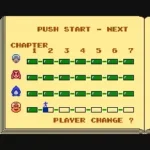
Play Volleyball (Japan) online! It is one of the top-rated Famicom Disk System games you can play for free. No download, emulator, or setup required—jump straight into the action directly in your browser and start playing this classic in seconds.
Introduction to Volleyball
Volleyball made waves in the gaming world during the 1980s, capturing the hearts of players with its unique take on the classic sport. This captivating title was one of the earliest sports games to showcase real-time multiplayer dynamics, drawing both casual players and competitive gamers. Its simplistic yet addictive gameplay mechanics, coupled with vibrant graphics, have cemented its status as a nostalgic favorite among many, representing a significant phase in the evolution of sports video games.
Gameplay Mechanics and Innovations
At its core, Volleyball offers players a simplified yet engaging experience that mirrors the fast-paced action of the actual sport. The game allows for both single-player and multiplayer modes, encouraging friendly competition among players. Key mechanics include controlled serves, strategic spikes, and defensive tactics, requiring players to master timing and positioning to outwit their opponents. The graphics, although simplistic by today’s standards, displayed bold colors and clear cut animations that helped to depict player movements and ball physics effectively. This approachable design made Volleyball an inviting choice for newcomers to the genre while providing challenging gameplay for seasoned players.
A Historical Perspective
Originally released in the early 1980s, Volleyball quickly carved its niche in the gaming landscape, coinciding with the rise of arcade culture. Developed during a time when sports games were few and far between, it allowed players to experience the thrill of team dynamics without needing a physical court. Not only did it set a precedent for future sports titles, but it also demonstrated the potential of arcade gaming in bringing friends together. Over the years, Volleyball has influenced numerous sequels and adaptations, leaving an indelible mark on sports gaming history, illustrating the genre’s capacity to adapt and innovate.
The Cultural Impact of Volleyball
Beyond its gameplay innovations, Volleyball has served as a cultural touchstone for many gamers, inviting stories of nostalgic ping-ponging between friends and family. Its accessibility and competitive spirit have created lasting memories, making it much more than just a game—it became a bonding experience. This legacy continues today, attracting both retro enthusiasts and new players eager to experience the roots of sports gaming.
Conclusion
Volleyball remains a beloved classic within the landscape of sports video games, thanks to its engaging gameplay mechanics and cultural significance. Its ability to bring people together is a testament to the enduring appeal of arcade-style sports games. As new generations discover the vibrant history of gaming, titles like Volleyball remind us of the joy and camaraderie that video games can inspire, ensuring that its legacy will live on for years to come.